_edited.png)


Enhancing Safety with Property Security Upgrades
- William Sanford
- Mar 18
- 4 min read

Security is a priority for any property owner. Whether managing a business, organizing an event, or securing a residence, the right measures can prevent threats and provide peace of mind. I have seen firsthand how property security upgrades transform vulnerable spaces into safe environments. This post outlines practical steps and considerations for improving safety through modern security solutions.
Why Property Security Upgrades Matter
Upgrading property security is not just about installing cameras or alarms. It is about creating a comprehensive system that deters crime, detects threats early, and responds effectively. Properties without adequate security measures face risks such as theft, vandalism, and unauthorized access. These incidents can lead to financial loss, operational disruption, and compromised safety.
Property security upgrades include physical barriers, surveillance technology, access control, and alarm systems. Each element plays a role in a layered defense strategy. For example, reinforced doors and locks delay intruders. Surveillance cameras provide real-time monitoring and evidence collection. Access control systems restrict entry to authorized personnel only.
Implementing these upgrades requires careful planning. Assess the property’s vulnerabilities and identify critical areas. Consider the type of threats common in the region. For instance, commercial properties in urban areas may prioritize video surveillance, while residential properties might focus on perimeter security.

Key Components of Effective Property Security Upgrades
To enhance safety, focus on integrating several key components:
Surveillance Cameras
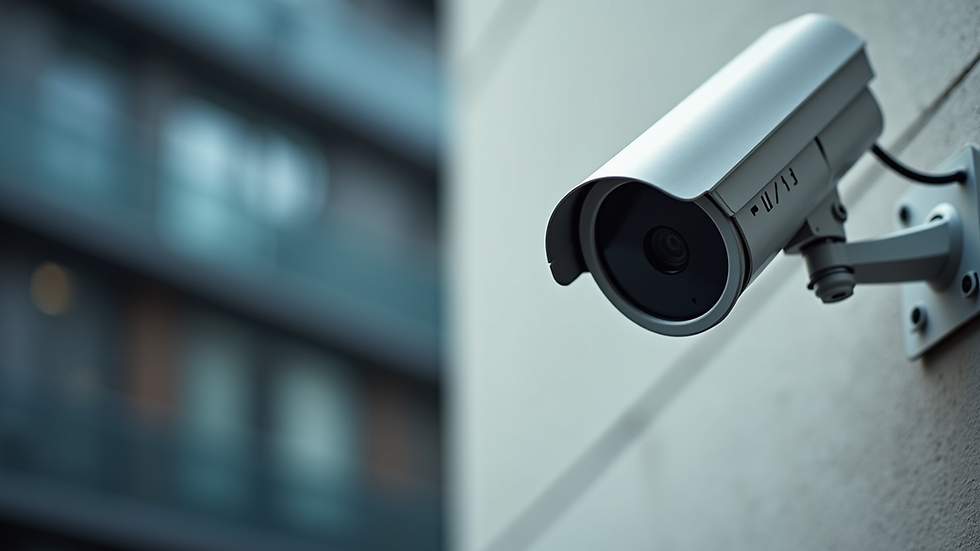
Cameras act as both a deterrent and a tool for investigation. Choose high-resolution models with night vision and wide coverage. Position cameras at entry points, parking lots, and other vulnerable areas.
Access Control Systems
Limit access using key cards, biometric scanners, or PIN codes. This prevents unauthorized entry and tracks who enters and exits the property.
Alarm Systems
Alarms alert occupants and authorities to break-ins or emergencies. Modern systems can connect to mobile devices for instant notifications.
Lighting
Well-lit areas reduce hiding spots for intruders. Use motion-activated lights around entrances and dark corners.
Physical Barriers
Gates, fences, and reinforced doors add a physical layer of protection. Ensure these barriers are sturdy and well-maintained.
Security Personnel
In some cases, trained security staff provide an active presence that technology alone cannot replace.
Combining these elements creates a robust security posture. Each component supports the others, reducing the chance of a successful breach.
How much does it cost to install a Ring security system?
Understanding the cost of security upgrades is essential for budgeting. For example, installing a Ring security system varies based on the number of devices and features selected. Basic packages start around $200 to $300, including doorbell cameras and a few sensors. More comprehensive setups with multiple cameras, motion detectors, and professional monitoring can exceed $1,000.
Installation costs depend on whether you choose DIY or professional services. DIY installation saves money but requires technical know-how. Professional installation ensures optimal placement and system integration but adds to the expense.
Ongoing costs include subscription fees for cloud storage and monitoring services. These fees typically range from $10 to $30 per month. When planning upgrades, factor in these recurring expenses to maintain system effectiveness.
Practical Steps for Implementing Security System Installation
When ready to enhance your property’s safety, follow these steps:
Conduct a Security Assessment
Identify weak points and prioritize areas needing protection. Consider consulting with security professionals for a thorough evaluation.
Choose the Right Technology
Select devices that fit your property’s size, layout, and threat profile. Avoid overcomplicating the system with unnecessary features.
Plan the Installation
Map out camera locations, sensor placements, and access points. Ensure coverage overlaps to eliminate blind spots.
Hire Qualified Installers
Professional installation guarantees proper setup and system functionality. They can also provide training on system use.
Test the System
After installation, test all components to confirm they work as intended. Regular testing should continue as part of maintenance.
Train Occupants and Staff
Everyone on the property should understand how to use the system and respond to alarms.
Maintain and Update
Regular maintenance prevents system failures. Update software and hardware as needed to keep up with evolving threats.
By following these steps, you ensure your investment in security delivers maximum protection.
The Impact of Security Upgrades on Safety and Peace of Mind
Upgrading property security has tangible benefits. It reduces the likelihood of crime and minimizes damage if incidents occur. Surveillance footage aids law enforcement investigations and insurance claims. Access control limits internal risks by restricting unauthorized personnel.
Beyond physical safety, these upgrades provide psychological comfort. Knowing that a property is protected allows occupants to focus on their work or daily activities without constant worry. For businesses, this translates into uninterrupted operations and customer confidence.
Security system installation is a critical part of this process. It integrates technology and strategy to create a safer environment. Whether for a commercial building, event venue, or home, these upgrades are an investment in long-term security.
Enhancing safety through property security upgrades is a practical, necessary step for any property owner. By understanding the components, costs, and implementation process, you can make informed decisions that protect your assets and people. Reliable security solutions deliver not only protection but also peace of mind.


Comments